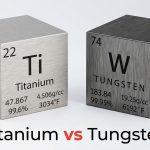
Titanium and tungsten are both considered high-performance metals, but they serve very different roles in engineering and manufacturing.
When comparing titanium vs. tungsten, engineers and buyers focus on key factors such as strength, weight, heat resistance, machinability, and cost.
Tungsten is extremely dense and performs well in high-temperature environments, while titanium is known for its high strength-to-weight ratio and excellent corrosion resistance.These differences make each material suitable for a wide range of applications, from jewelry such as rings to demanding industrial environments.
This article breaks down the key differences in properties, applications, and machining to help you choose the right material for your project.

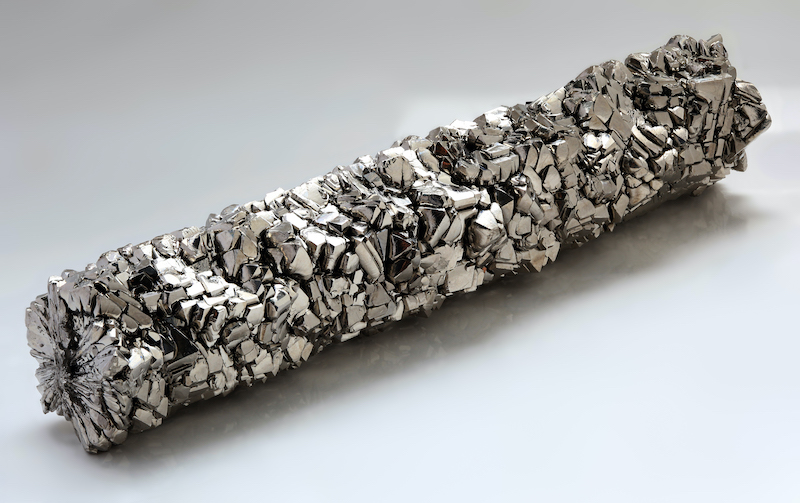
Titanium (Ti) is a transition metal with a silver-gray appearance. It was first identified in 1791 by William Gregor and was briefly referred to as “Gregorite,” although that name is rarely used today.
In nature, titanium is not found as a pure metal. It mainly exists in mineral ores such as ilmenite and rutile. To make it usable, these ores are processed through the Kroll process, where titanium tetrachloride (TiCl₄) is reduced with magnesium to produce titanium sponge. This sponge is then melted into ingots and further refined into forms suitable for industrial use.
Titanium is known for its high strength-to-weight ratio and excellent corrosion resistance. With a density of about 4.5 g/cm³, it is much lighter than steel while still offering strong mechanical performance, especially in alloy form. At the same time, it naturally forms a thin oxide layer on its surface, which protects it from corrosion in environments such as seawater, chemicals, and even the human body.
In engineering, titanium is typically supplied as:
Although many grades exist, two are used most often in practice:
Grade 2 is widely used for its excellent corrosion resistance and good formability. It is commonly found in chemical equipment, marine environments, and general-purpose industrial components.
Grade 5 is the most widely used titanium alloy and is often treated as the standard engineering-grade titanium. By adding aluminum and vanadium, it achieves much higher strength while keeping titanium’s low weight. It is widely used in aerospace, medical, and high-performance mechanical applications.

While both titanium and tungsten can be alloyed with other elements, titanium is typically used as different grades of the same metal. Tungsten, by contrast, is used in several distinct forms, including metal alloys and tungsten carbide, which behave very differently in engineering applications.
In practice, tungsten commonly refers to three material systems:
Known for its extremely high melting point and stiffness, pure tungsten is used in high-temperature and electrical applications. However, it is relatively brittle at room temperature and can be difficult to process.
These alloys typically contain 90–97% tungsten combined with elements such as nickel, iron, or copper. They retain tungsten’s high density while offering improved toughness and machinability, making them suitable for components such as counterweights, radiation shielding, and aerospace parts.
A composite material made of tungsten carbide particles bonded with cobalt. It is extremely hard and wear-resistant, and is widely used in cutting tools, molds, and wear parts. Due to its hardness, it is usually processed by grinding or EDM rather than conventional machining.
In practice, when engineers refer to “machining tungsten,” they are often referring to tungsten heavy alloys, while “carbide” typically refers to WC-Co used in tooling.
The comparison below focuses on commonly used engineering materials rather than abstract categories. In practice, materials such as Grade 2 titanium, Ti-6Al-4V, tungsten metal (W), tungsten heavy alloys, and tungsten carbide provide a more realistic basis for comparison.
| Property | CP Ti (G2) | Ti-6Al-4V (G5) | Tungsten (W) | WHA | WC-Co |
| Density (g/cm³) | 4.51 | 4.47 | 19.3 | ~17.0–18.8 | ~14.5 |
| Tensile Strength (UTS) | 345–483 MPa | ~900 MPa (higher with heat treatment) | Limited use at RT due to brittleness | 1000–1800 MPa | Not typically defined (use TRS/compression) |
| Yield Strength (0.2%) | 276–352 MPa | ~828 MPa (typical minimum) | Limited; compression more relevant | 700–1510 MPa | Not typically specified |
| Hardness | ~160 HV | ~36 HRC | 300–650 HV (condition-dependent) | ~200–400 HV (grade-dependent) | 82–94 HRA |
| Elastic Modulus (GPa) | ~103 | ~105–116 | ~407 | ~330–385 | up to ~650 |
| Thermal Conductivity | Low (~20 W/m·K) | Low | High (~130–170 W/m·K) | Varies by composition | Moderate (~⅓ of copper) |
| Melting Point | ~1668°C | ~1538–1649°C | ~3422°C | Very high | Very high |
| Corrosion Resistance | Very good | Very good | Environment-dependent | Good to excellent | Good (binder may be affected) |
| Biocompatibility | Good (used in medical) | Excellent (ELI grades) | Limited | Used in some medical shielding | Not typical for implants |
| Wear Resistance | Moderate (often needs coating) | Moderate (watch galling) | Better than Ti in some cases | Good | Excellent |
In practice, choosing between titanium and tungsten is not just about material properties. It also depends on how practical the material is to machine. Both are difficult to process, but for very different reasons.

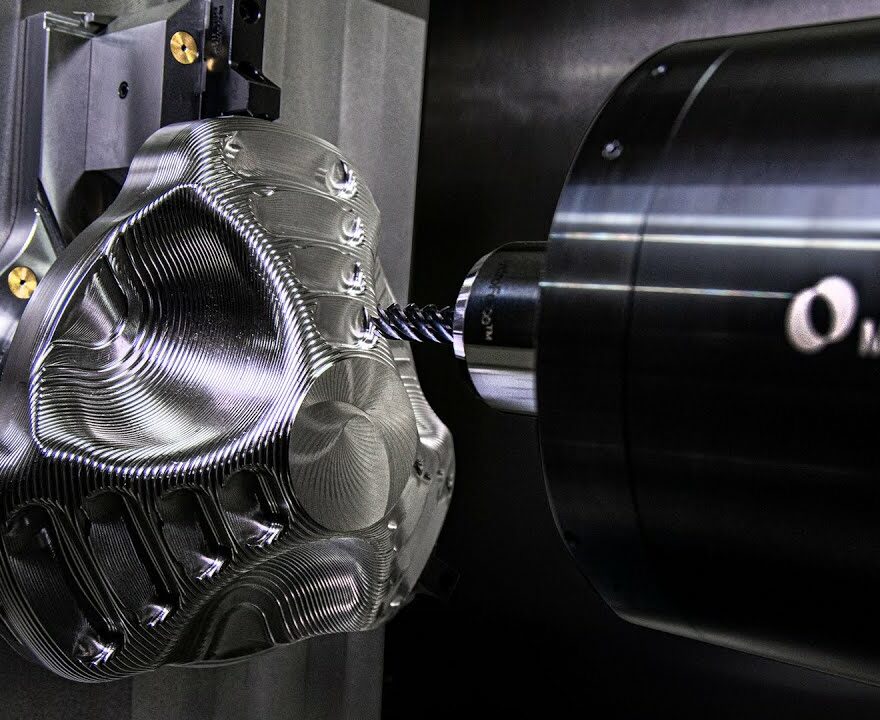
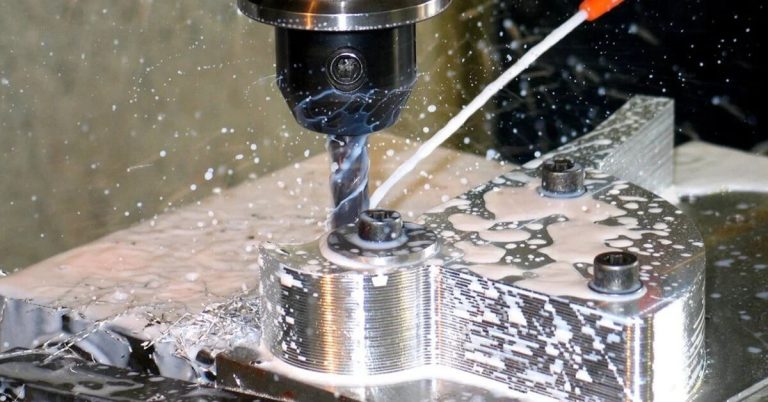
Titanium alloys are widely machined using conventional CNC processes, but they require tight process control. The main challenge is not just strength, but how titanium behaves during cutting. Because titanium has low thermal conductivity, heat tends to concentrate at the cutting edge, which accelerates tool wear.
Titanium is also chemically reactive at elevated temperatures, which can lead to built-up edge under poor cutting conditions. In addition, its relatively low elastic modulus increases the risk of deflection and chatter, particularly in thin-wall parts.
As a result, titanium machining usually requires:
In practice, titanium machining operates within a relatively narrow process window. Cutting too conservatively can lead to rubbing and work hardening, while aggressive parameters can quickly raise cutting temperature and tool wear.
Despite these challenges, titanium remains a practical material for precision machining, especially for complex geometries and high-performance components.
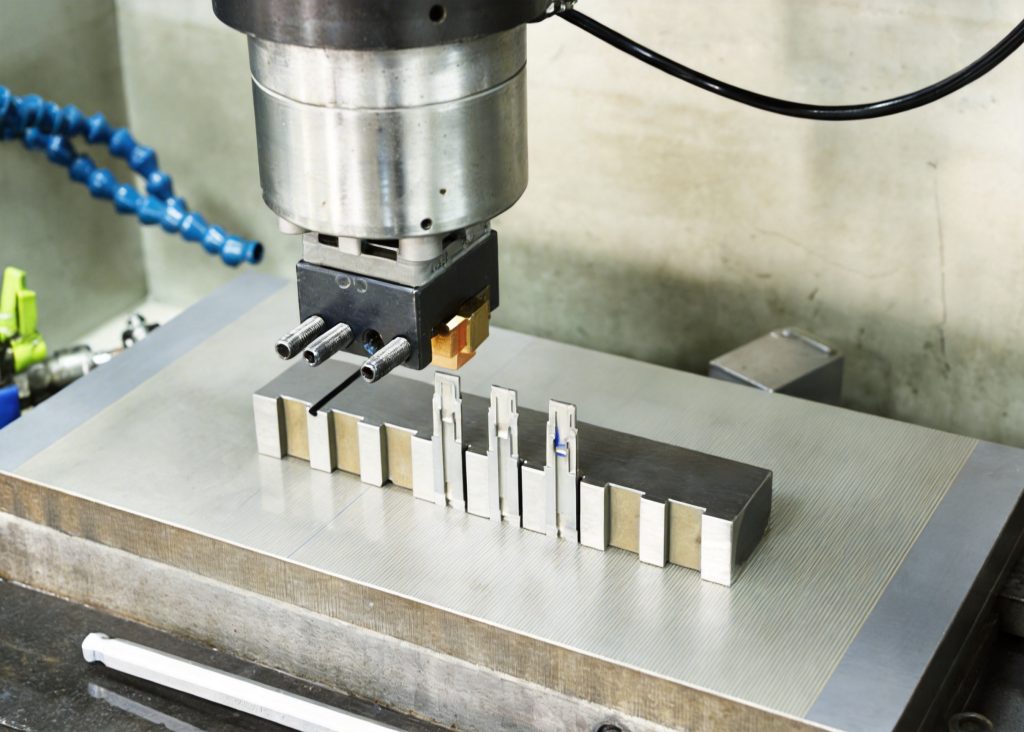
Tungsten heavy alloys (WHA) can be machined using conventional methods, but they are generally more difficult to cut than titanium. Their high density and stiffness produce higher cutting forces, and tool wear can become significant if parameters are not well controlled. Sharp cutting edges and conditions that avoid rubbing are especially important.
Typical considerations include:
Pure tungsten can also be machined in some cases, but it is more brittle at room temperature. That brittleness increases the risk of cracking or edge chipping during machining, which limits its use in complex machined parts.

Tungsten carbide behaves very differently from both titanium and tungsten alloys. It is an extremely hard composite material, so conventional cutting methods are generally not suitable.
Instead, tungsten carbide components are usually finished by:
Because tungsten carbide is produced through powder metallurgy and sintering, it reaches its full hardness before final shaping. For this reason, it is typically used for tools and wear parts rather than components that require extensive conventional machining.

Titanium can be formed and welded, but the difficulty depends on the grade. Ti-6Al-4V is generally difficult to form at room temperature, so more demanding forming is often done warm or hot to reduce springback and avoid damaging material properties. Grade 2 titanium, by contrast, is more ductile and easier to form, which is one reason it is widely used in chemical, marine, and medical equipment.
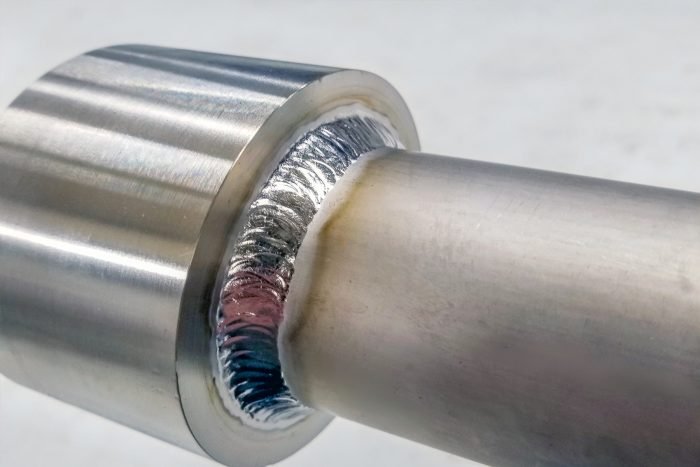
Titanium is also highly weldable, but shielding is critical. At high temperatures, it can absorb oxygen, nitrogen, and hydrogen, which reduces ductility and weakens weld quality. That is why processes such as GTAW, electron beam welding, and laser welding rely on strict inert-gas shielding, often with trailing shields to protect the hot weld zone.
Tungsten-based materials follow a very different route. Tungsten heavy alloys and tungsten-copper materials are often made through powder metallurgy, then pressed, sintered, heat treated, and machined to final size. In W-Cu materials, copper may be infiltrated into a porous tungsten structure to combine tungsten’s heat resistance with copper’s conductivity.
For WC-Co cemented carbide, the process is even more distinct. Parts are typically formed near net shape and then sintered, but shrinkage during sintering can be significant, and as-sintered tolerances are usually relatively loose. When tighter tolerances are needed, final sizing is usually done by diamond grinding or EDM rather than conventional machining.
Joining methods are also different. Tungsten carbide components are more commonly assembled by brazing, shrink fitting, or mechanical retention than by welding.
Tungsten generally carries greater supply-chain risk than titanium. Because U.S. supply depends heavily on imports, its price and availability are more sensitive to trade restrictions and market disruptions. For engineering teams, that means sourcing often needs to be addressed earlier, especially for powders and specialized product forms.
Titanium is also influenced by global supply conditions, including sponge capacity and aerospace demand. Even so, its supply base is usually less concentrated than tungsten across many product categories. In practical terms, titanium often offers a more predictable sourcing path, even though it remains a premium material.
Both materials are expensive compared with common metals such as aluminum and carbon steel. In most cases, titanium is chosen when low weight and corrosion resistance matter most, while tungsten is reserved for applications that truly require extreme density, wear resistance, or high-temperature performance.
Titanium chips and dust should be treated as a combustible hazard, especially in fine particulate form. In practice, that means controlling dust buildup, avoiding ignition sources, and using proper dust collection rather than treating titanium swarf like ordinary steel chips.
Tungsten carbide dust raises a different kind of risk. The main concern is worker exposure during grinding, polishing, or rework rather than flammability. In these operations, ventilation, dust capture, PPE, and good housekeeping are essential parts of the process.
Both titanium and tungsten can benefit from recycling, but in practice, recovery is not automatic.Tungsten recycling is already an established part of industrial supply, while titanium’s primary production is energy-intensive, which makes scrap recovery important from both a cost and environmental perspective.
In aerospace and other weight-sensitive systems, titanium is often the better choice. Ti-6Al-4V is widely used in compressor components, airframe structures, spacecraft structures, pressure vessels, and fasteners. In these applications, its high strength-to-weight ratio and corrosion resistance justify the added cost and machining difficulty.
A good example is a thin-walled structural bracket. In this type of part, stiffness only needs to be good enough, while weight reduction is a primary requirement. In that situation, titanium’s low density becomes the deciding factor.
When the goal is to place as much mass as possible into a limited volume, tungsten-based materials become much more attractive. In heavy-alloy form, tungsten offers the key advantage of very high density, which makes it especially useful for shielding and compact counterweights.
A typical example is a compact counterweight in an aerospace or industrial system. If the available space is fixed and the part must deliver a specific mass, titanium is often too light, even if its mechanical properties are otherwise suitable. In that case, a tungsten heavy alloy is the more practical solution.

For cutting tools, dies, and severe wear applications, cemented tungsten carbide (WC-Co) is usually the preferred material. A large share of tungsten use goes into cemented carbide parts for cutting and wear-resistant applications.
This is easy to understand from a materials standpoint. WC-Co is designed for extreme hardness, high stiffness, and strong abrasion resistance, which is why it performs so well in inserts, dies, and wear parts. The trade-off is brittleness, along with the fact that final shaping usually relies on grinding or EDM rather than conventional machining.
Choosing between titanium and tungsten usually comes down to trade-offs. Weight, wear resistance, heat performance, corrosion resistance, machinability, and supply risk do not all point to the same answer.
A few practical rules help. If low weight is the priority, titanium is usually the better place to start. If you need as much mass as possible in a limited space, tungsten heavy alloy is often the better fit. If wear resistance is the main requirement, tungsten carbide is usually the reference material, although that often means designing around grinding or EDM rather than conventional machining. For implantable medical applications, titanium is usually the more common choice, while tungsten is more often used for shielding or specialized device components.
Scoring: 5 = best fit, 1 = poor fit. Use this as a quick decision guide rather than a fixed specification.
| Criterion | CP Ti Grade 2 | Ti-6Al-4V Grade 5 | Tungsten Heavy Alloy | Tungsten Carbide (WC-Co) |
| Weight-sensitive design | 5 | 5 | 1 | 2 |
| Extreme density in small volume | 1 | 1 | 5 | 4 |
| Conventional CNC turning/milling | 3 | 3 | 4 | 1 |
| Wear / abrasion dominated | 2 | 2 | 4 | 5 |
| Corrosion in many industrial media | 4 | 4 | 3 | 3 |
| High-temperature structural stability | 3 | 3 | 5 | 4 |
| Supply-chain / price stability | 3 | 3 | 2 | 2 |
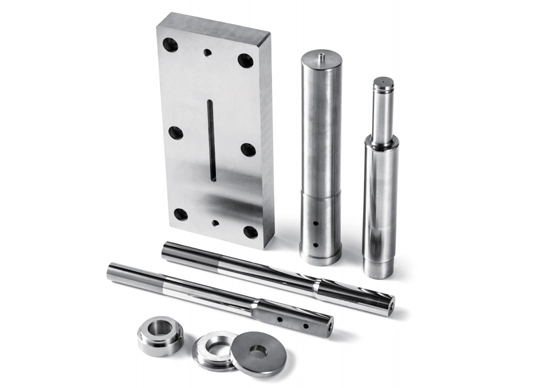
At Chiggo, we combine material knowledge with precision manufacturing to help customers build reliable parts for demanding applications. From DFM support to CNC machining and finishing, we work with titanium and tungsten-based materials based on real project needs.
If you are planning a titanium or tungsten part, reach out to Chiggo for engineering support and a custom manufacturing solution.

ポリアミドは、アミド結合を含むすべてのポリマーの一般的な用語です。ナイロンはもともと、産業用および消費者用途向けに開発された合成ポリアミドPA6およびPA66のデュポンの商標でした。ナイロンはポリアミドのサブセットですが、2つの用語は完全に交換可能ではありません。この記事では、ポリアミドとナイロンの関係を調査し、それらの重要な特性とパフォーマンスの詳細な比較を提供します。 ポリアミドとは何ですか? ポリアミド(PA)は、繰り返し単位がアミド(-CO-NH-)結合によってリンクされている高分子量ポリマーのクラスです。ポリアミドは自然または合成のいずれかです。天然のポリアミドには、羊毛、絹、コラーゲン、ケラチンが含まれます。合成ポリアミドは、3つのカテゴリに分類できます。 脂肪族ポリアミド(PA6、PA66、PA11、PA12):一般工学にぴったりです。それらは、強度、靭性、耐摩耗性、および簡単な処理のバランスを妥当なコストでバランスさせます。 芳香族ポリアミド(Kevlar®やNomex®などのアラミド):極端なパフォーマンスに最適です。 Kevlar®のようなパラアミッドは、例外的な引張強度と耐抵抗を提供しますが、Nomex®のようなメタアラミッドは、固有の火炎耐性と熱安定性に充てられています。それらは高価であり、溶融処理できないため、一部の形状と製造ルートはより制限されています。 半芳香族ポリアミド(PPA、PA6T、PA6/12T):高温エンジニアリングを対象としています。それらは、高温の剛性と寸法を維持し、多くの自動車液をうまく処理します。それらは溶融処理(注入/押し出し)を処理することができますが、より高い溶融温度で動作し、慎重に乾燥する必要があります。脂肪族PAとアラミッドの間にはコストがかかります。 それらは、分子鎖間の水素結合による結晶性、良好な熱耐性と耐薬品性、および水分吸収の傾向を高めていますが、これらの特性の程度はタイプによって大きく異なります。それらの機械的特性(引張強度、弾性弾性率、破壊時の伸び)は、鎖の剛性と結晶性に密接に結び付けられています。これらは高いほど、材料が硬くて強くなりますが、より脆弱です。値が低いと、より柔らかく、より丈夫な素材が生じます。 ポリアミドの一般的なグレード 以下は、最も一般的な合成ポリアミドグレード、それらの重要な特性、および典型的なアプリケーションの概要です。 学年一般名モノマー炭素数重合引張強度(MPA)弾性率(GPA)融解温度(°C)HDT(°C、乾燥、1.8 MPa)水分吸収(%) @50%RH耐薬品性PA6ナイロン6(合成)Caprolactam(ε-Caprolactam)6リングオープン重合60–751.6–2.5220–22565–752.4–3.2(〜9–11%飽和) 優れたオイル/燃料抵抗;強酸/塩基に敏感PA66ナイロン6,6ヘキサメチレンジアミン +アディピン酸6+6凝縮重合70–852.5–3.0255–26575–852.5–3.5(〜8–9%飽和) PA6と同様に、わずかに優れた溶媒耐性PA11バイオベースのポリアミド11-アミナウンドカノ酸11自己凝縮50–65 1.2–1.8185–19055–651.5–2.0優れた耐薬品性、塩スプレー、耐性耐性PA12長鎖ポリアミドラウリル・ラクタム12リングオープン重合45–551.6–1.8178–18050–600.5–1.0PA11に似ています。優れた耐薬品性PA46高テンプポリアミドテトラメチレンジアミン +アディピン酸4+6凝縮重合80–1003.0–3.5〜295160–1702.0–3.0(飽和すると高く) 優れた高テンプル、オイル、耐摩耗性ケブラーパラアミッドP-フェニレンジアミン +テレフタロイル塩化物 - 凝縮重合3000-360070–130融解なし; 500°Cを超える分解 最大300°Cまでのプロパティを保持します。 500°Cを超える分解 3–7(水分回復 @65%RH) ほとんどの化学物質に耐性があります。 UV敏感 ポリアミドを識別する方法 簡単なハンズオンテストでポリアミドをすばやくスクリーニングします - 火傷テストで始まります(溶けてから黄色で傾けた青色の炎で燃やし、セロリのような臭いを放ち、硬い黒いビーズを残します)またはホットニードルテスト(同じ匂いできれいに柔らかくなります)。 PA6/PA66(密度≈1.13–1.15 g/cm³)は水に沈み、PA11/PA12(≈1.01–1.03 g/cm³)のような長鎖グレードは水または希釈アルコールに浮かぶ可能性があることに注意してください。決定的なラボIDの場合、FTIR分光法を使用して、特徴的なN – Hストレッチ(〜3300cm⁻¹)およびC = Oストレッチ(〜1630cm⁻¹)を検出し、DSCを使用して融点(PA12≈178°C、PA6≈215°C、PA66≈260°C)を確認します。 ナイロンとは何ですか? ナイロンは合成ポリアミドの最も有名なサブセットです。実際には、人々がプラスチックやテキスタイルで「ポリアミド」と言うとき、彼らはほとんど常にナイロン型材料を指しています。 最も広く使用されているコマーシャルナイロン - ナイロン6、ナイロン6/6、ナイロン11、およびナイロン12などは、脂肪族ポリアミドです。それらの半結晶性微細構造と強力な水素結合により、一般工学の強度、靭性、耐摩耗性、良好な熱と耐薬品性の優れた組み合わせが得られます。多目的で信頼できる、それらは広範囲の従来の製造および添加剤技術を通じて処理することができ、それらをの家族の長年の主食にすることができますエンジニアリングプラスチック。 ナイロンを識別する方法 全体として、ナイロンとポリアミドを識別するために使用される方法は、フィールドとラボでの両方で、本質的に同じです。主な違いは、ナイロングレードが正確な区別のためにより正確な基準を必要とすることです。実験室の設定では、融点を測定し、特定のグレードを特定するために、微分スキャン熱量測定(DSC)が一般的に使用されます。密度テストは、ショートチェーンナイロン(PA6/PA66)から長鎖ナイロン(PA11/PA12)を分離するための簡単な方法を提供します。さらなる確認が必要な場合、X線回折(XRD)や溶融流量(MFR)分析などの手法を適用して、6シリーズと11/12シリーズの材料をより正確に区別できます。 ポリアミドとナイロンの一般的な特性 「ポリアミド」と「ナイロン」は、しばしば同じ意味で使用されますが、ナイロンはポリアミドの1つのタイプにすぎません。このセクションでは、それらの共通のプロパティについて詳しく説明します。 構成と構造 ポリアミドは、バックボーンでアミド(-CO-NH-)結合を繰り返すことで特徴付けられますが、多くのモノマーから合成できます。脂肪族ポリアミドは、ε-カプロラクタム、ヘキサメチレンジアミンを加えたヘキサメチレンジアミン、または11-アミナウンドカノ酸などの直線鎖ユニットから構築されていますが、芳香族アラミッドは硬いベンゼンリングを連鎖に取り入れています。モノマーと重合法の選択により、鎖の柔軟性、結晶化度、水素結合密度が決定されます。これは、機械的強度、熱安定性、油、燃料、および多くの化学物質に対する耐性に影響を与える要因です。 ナイロンは、狭いモノマーセットから作られた脂肪族ポリアミドのサブセットです。一般的なナイロングレードには、ヘキサメチレンジアミンにアディピン酸を凝縮することにより生成されるPA6とPA6,6が含まれます。それらの均一なチェーンセグメントと強力な水素結合は、引張強度、靭性、耐摩耗性、および中程度の耐熱性のバランスの取れた混合をもたらす半結晶ネットワークを作成します。 融点 ポリアミド(ナイロンを含む)の融点は、モノマーの化学構造、結晶性の程度、水素結合密度、鎖の柔軟性の4つの主な要因によって決定されます。一般に、より多くの定期的に間隔を置いた水素結合とより高い結晶性が融解温度を上昇させます。逆に、結晶の形成を破壊する柔軟なチェーンセグメントが融点を低下させます。たとえば、PA11やPA12などの長鎖、低結晶性ポリアミドは178〜180°C前後に溶け、PA6やPA6/6のような一般的なナイロンは、約215°Cと265°Cの間で溶融し、ケブラーなどの硬質アロマティックポリアミドは500°Cを超えて溶けません。 引張強度と靭性 一般に、ナイロンは強度と靭性のバランスの取れた組み合わせを提供し、他のポリアミドはより広範なパフォーマンスチューニングを提供します。高強度の端で、Kevlar®などの芳香族アラミッドは、最大3.6 GPa(〜3600 MPa)までの繊維引張強度を達成し、弾道衝撃下でのエネルギー吸収に優れています。反対側では、PA11やPA12のような長鎖脂肪族ポリアミドは、優れた延性と高い衝撃耐性のために引張強度(〜45〜60 MPa)を交換します。一般的なナイロン(PA6およびPA6,6)は真ん中に真っ直ぐに横たわっており、約60〜85 MPaの乾燥した引張強度とバランスの取れた耐衝撃性を提供し、耐荷重く衝撃耐性成形部品に人気のある選択肢となっています。 耐摩耗性 ポリアミドファミリー全体は、良好な耐摩耗性を提供します。 […]
延性は、物質科学の基本的な概念であり、一部の材料(金属など)がストレスの下で大幅に曲がったり伸ばすことができるのかを説明しますが、他の材料(ガラスなど)が突然スナップします。この記事では、延性とは何か、それがどのように測定され、なぜ重要なのか、どの要因がそれに影響するかを説明します。 延性の定義 延性とは、骨折前に張力で塑性変形を受ける材料の能力です。簡単に言えば、延性材料は、スナップせずに長い道のりを伸ばすことができます。対照的に、ガラスのような脆い材料は、ほとんど変形がほとんどない後、割れたり粉砕する傾向があります。材料科学では、塑性変形は形状の永続的な変化です。これは弾性変形とは異なり、荷重が除去されると回復可能です。延性は可塑性と密接に関連していますが、より具体的です。可塑性は、任意のモード(張力、圧縮、またはせん断)で永続的な変形の一般的な能力ですが、延性は張力の能力を指します。 原子の観点から見ると、多くの金属の高い延性は、非方向性金属結合と、転位を移動できるスリップシステムの利用可能性に由来しています。ストレスが加えられると、転位グライドは金属製の結晶がプラスチックのひずみに対応できるため、金属は骨折ではなく曲がったり伸びたりすることがよくあります。対照的に、セラミックとガラスには方向性のあるイオンまたは共有結合があり、非常に限られたスリップがあるため、緊張の下でかなりのプラスチックの流れの前に割れる傾向があります。ただし、すべての金属が室温で延性しているわけではありません(たとえば、一部のBCC金属、高炭素鋼、金属グラスは比較的脆くなる可能性があります)、およびメタリックスタイルの延性ではないガラス遷移温度を上回る粘性流量によって主に加熱されたガラス曲げが加熱されます。 延性の測定 引張試験は延性を定量化する最も一般的な方法です。標本は骨折に一軸の張力で負荷をかけ、延性は破損時の伸長と面積の減少率として報告されます。 休憩時の伸び率(A%) 破壊時のゲージ長の増加率:A%=(LF -L0)/L0×100%、L0は元のゲージ長、LFは破壊時の最終長さです。 A%が高いほど、引張延性が大きくなることを示します。 面積の減少率(RA%) 破壊位置での断面の割合の減少:RA%=(A0 - AF)/A0×100%。ここで、A0は元の面積であり、AFはブレークの最小面積です。大規模なRA%は、顕著なネッキングと強力なセブキング後延性を反映しています。 (ゲージの長さに敏感ではありません。非常に薄いシートには理想的ではありません。) 両方の測定値は、通常、引張試験の一部として報告されます。たとえば、鋼のサンプルは、たとえば20%の伸びと破損時の面積の60%の減少を持っていると説明される場合があります。これは、延性挙動を示しています。対照的に、脆性セラミックは、伸びが1%しかなく、本質的に0%の面積の減少を示す場合があります(ほぼ薄くなることなく壊れます)。伸びと面積の減少が大きいほど、材料の延性が高くなります。 延性を視覚化する別の方法は、引張試験から得られたグラフであるストレス - ひずみ曲線です。ストレス(単位面積あたりの力)は、ひずみ(相対変形)に対してプロットされます。この曲線のキーポイントには次のものがあります。 ヤングモジュラス(E):線形弾性領域の勾配。剛性の尺度。 降伏強度(σᵧ):塑性変形の開始(多くの場合、シャープな降伏点が存在しない場合、0.2%のオフセット法で定義されます)。 究極の引張強度(UTS):最大のエンジニアリング応力。標本の首を超えて。骨折は、通常、エンジニアリングストレスが低い場合に発生します。 骨折ポイント:標本が最終的に壊れる場所。 延性材料(青)の代表的な応力 - ひずみ曲線(赤) 延性材料の曲線は、生成後に長いプラスチック領域を示し、骨折前に大きなひずみを維持できることを示しています。対照的に、脆性材料の曲線は降伏点の近くで終わり、プラスチック領域はほとんどまたはまったくありません。要約すると、エンジニアリング応力 - 伸縮グラフ(指定されたゲージの長さの場合)では、延性が骨折する総ひずみによって延性が反映されます。これは、乳酸材料の長いもので、脆性材料の略です。ただし、見かけの骨折ひずみは選択したゲージの長さに依存し、ネッキングが開始すると変形が局所化されるため、エンジニアリング曲線は延性後延性の直接的な尺度ではありません。そのため、仕様は通常、面積の割合(RA%)の割合とともに、破損時の伸び(A%)を報告します。 延性と柔軟性の違いは何ですか? 延性は、壊れずに緊張を伸ばす材料の能力です。引張試験からの面積の伸長率または縮小で定量化します。金属をワイヤーに引き込むことができる場合、延性があります。閉鎖性とは、亀裂なしで圧縮で変形する材料である材料の能力です。曲げ/平坦化/カッピングテスト、またはどれだけの厚さの減少が許容できるかで判断します。 実際には、金、銅、アルミニウムは両方とも非常に延性があり、順応性があります(ワイヤーとシートに最適です)。鉛は非常に順応性がありますが、適度に延性しかありません(シートに転がるのは簡単で、細いワイヤーのように貧弱です)。マグネシウムは室温で順応性が制限されていますが、亜鉛は温めたときに順応性が高くなります。製造用に、描画、深いストレッチ、プル支配的な機能のための延性合金を選択します。圧縮が支配する場所でローリング、スタンピング、および鍛造のために、順応性合金を選択します。温度と結晶構造は両方の特性をシフトします。クイックルール:ダクタリティ=張力/ワイヤー;閉鎖性=圧縮/シート。 なぜ延性が重要なのか 延性は、製造可能性とサービス内の安全性の両方の背後にある静かな主力です。工場では、金属をシートに丸め、ワイヤーに引き込んで、割れずに鍛造できます。フィールドでは、コンポーネントがエネルギーを吸収し、ストレスを再分配し、故障前に警告を提供できるようにします。 製造用の延性材料 一般に、延性が高いということは、材料が実行可能であることを意味します。亀裂なしに、鍛造、巻き、巻き、描画、またはさまざまな形に押し出ることができます。低延性(brittleness)は、材料を変形させるのが難しく、鋳造や機械加工などのプロセスに適していることを意味します(材料が形状を幅広く変化させない場合)。 鍛造とローリング:これらのプロセスは、固体金属を形状に変形させます - ハンマー(鍛造)またはロール間の通過(ローリング)。延性金属は、関与する大きなプラスチック株に耐えます。実際には、鋼のスラブ/ブルームはシート、プレート、およびIビームなどの構造形状にホットロールされ、アルミニウムはコンポーネントに容易に鍛造されます。対照的に、鋳鉄のような脆い合金は、重い変形の下で割れる傾向があるため、通常、ネットの形に鋳造することで形作られます。 押し出しとワイヤー/バーの描画:押し出しは、ダイを通して金属を押して、長く一定の交差セクション製品を作る。ワイヤー/バーの描画は、直径を減らすためにダイを通して固体ストックを引っ張ります。どちらもプラスチックの流れに依存しています。アルミニウム、銅、低炭素鋼などの延性合金は、チューブとプロファイル(窓枠、ヒートシンクセクションなど)に押し出され、細かい電気線に引き込まれます。加工温度で十分な延性のない材料は、ダイをチェックまたは亀裂する傾向があるため、ガラスまたはセラミックが固体状態に押し出されたり描かれたりしないのです。代わりに繊維が溶けて描かれています。 ディープドローイング:深い描画は、パンチでシートをダイに強制することにより、軸対称カップと缶を形成します。フランジは内側に餌を与え、壁はわずかに薄くなります。適切な延性は、分割やしわを防ぎます。アルミニウムの飲料canボディは古典的な例です。 板金の曲げとスタンピング:ボディパネルとエンクロージャーの一般的な曲げとスタンピングは、シートがダイで伸びているときにエッジのひび割れやオレンジピールを避けるために延性を必要とします。鋼鉄とアルミニウムのグレードは、形成性に合わせて調整されているため、複雑な形状(車のフードなど)は故障せずにスタンプすることができます。 メタル3D印刷(AM):延性は依然として重要です。特にレーザーパウダーベッドフュージョン(LPBF)からのプリント部品は、細かく、テクスチャーの微細構造、残留応力、および多孔性により延性が低下することを示すことができます。ストレス緩和と高温等吸着プレス(股関節)(しばしば軽い熱処理が続き、延性が回復し、亀裂リスクを減らします。 Ti-6AL-4VやAlSi10Mgなどの合金は、有用なインサービス延性をもたらすことができます。 実世界のアプリケーション用の延性材料 延性は単なるラボメトリックではなく、現実世界の構造、車両、および機器のパフォーマンスに直接影響します。エンジニアリングと設計で重要な理由は次のとおりです。 突然の故障を防ぎ、安全性の向上:延性材料は徐々に失敗します。骨折前にエネルギーを生成および吸収し、目に見える警告を提供し、荷重を再分配できるようにします。建物では、これが構造鋼が好まれる理由です。過負荷のビームは、スナップではなく曲がります。鉄筋コンクリートは同じロジックに従います。埋め込まれた鋼鉄鉄筋は延性を加えて、メンバーが割れずに地震需要の下で曲げることができます。 衝撃のエネルギー吸収(地震およびクラッシュアプリケーション):動的荷重の下で、延性は衝撃エネルギーをプラスチック作業に変えます。鉄骨フレームは、収穫量を介して地震の力を消散させ、自動車は鋼鉄またはアルミニウムの折り畳み帯のゾーンを制御された方法で、キャビンの減速を低下させます。現代の体構造は、強度と延性(DP/トリップ鋼など)とのバランスをとり、航空宇宙AL/TI合金は、鳥のストライキ、加圧、および冷たい耐性のために十分な延性を保持します。 構造の回復力と冗長性:延性システムは、隣接するメンバーにストレスを広めることにより、局所降伏後に負荷を運び続けることができ、進行性崩壊の可能性を減らします。そのため、橋は延性鋼を使用し、パイプラインとケーブルが破裂ではなく地面の動きや過負荷の下で曲がったり、へこみを止めたりするように設計されている理由です。 延性に影響する要因 延性はすべての条件下で固定されていません。これに影響を与える主な要因は次のとおりです。 温度:延性は温度依存性が高くなります。より高い温度が原子の可動性と転位の動きを増加させ、プラスチックの流れを可能にします。低温が動きを制限し、切断型亀裂を促進します。多くのBCC金属(特定の鋼など)は、延性から脆性の遷移温度(DBTT)を持っています。その下では、突然骨折することができます。古典的な例は構造鋼です。周囲温度では曲がる可能性がありますが、非常に低い温度では骨折する可能性があります。したがって、エンジニアはサービス温度をDBTTより上に保持するか、低温グレードを指定します。対照的に、ほとんどのFCC金属(アルミニウム、銅など)は鋭いDBTTを欠いており、寒い場合でも延性があります。 構成と合金:存在する要素とそれらが形成するフェーズは、延性に強く影響します。金、銅、アルミニウムなどの純粋な金属は、通常非常に延性があります。溶質を追加したり、硬い第2フェーズを作成したりすると強度が向上しますが、しばしば転位運動を妨げることで延性を低下させます。炭素鋼では、低炭素グレードは形成可能なままですが、高炭素と工具鋼は和らげない限りはるかに延性が少なくなります。微量不純物も抑制鋼です。硫黄は高温の短さを引き起こす可能性があり、リンは冷たい脆弱性を引き起こす可能性があります。熱処理はバランスを調整します。消光されたマルテンサイトは強いですが、和らげるまで延性が低く、アニーリングは延性を回復します。メタリックメガネは限界を示しています。クリスタルスリップが存在しないため、それらは非常に強いが、通常は脆い。 クリスタル構造とスリップシステム:延性は、脱臼が容易に移動する方法を反映しています。アルミニウム、銅、ニッケル、金などのFCC金属には、多くのアクティブスリップシステムがあり、低温でも延性があり、鋭利な延性から脆性の移行はありません。フェライト鋼、クロム、タングステンなどのBCC金属は、スリップのために熱活性化を必要とし、しばしば延性から脆性への移行を示すため、延性は寒さに低下します。室温でのマグネシウム、亜鉛、チタンなどのHCP金属のスリップシステムは少なくなっています。双子または上昇した温度がなければ、それらは不十分に変形し、亀裂が生じる可能性があります。一般に、利用可能なスリップシステムが多く、固有の延性が高く、低温性能が向上します。 構造の回復力と冗長性:延性システムは、隣接するメンバーにストレスを広めることにより、局所降伏後に負荷を運び続けることができ、進行性崩壊の可能性を減らします。そのため、橋は延性鋼を使用し、パイプラインとケーブルが破裂ではなく地面の動きや過負荷の下で曲がったり、へこみを止めたりするように設計されている理由です。 […]
さまざまな加工工程において、工具とワークの非接触を実現する加工方法が欲しい場合があります。当然、放電加工 (EDM) について考えることになります。
عربي
عربي中国大陆
简体中文United Kingdom
EnglishFrance
FrançaisDeutschland
Deutschनहीं
नहीं日本
日本語Português
PortuguêsEspaña
Español